Soffit and Fascia Rot in NJ: Signs, Causes, and When to Repair
On this page · 8 sections
Most homeowners never think about the edge of their roof until something goes wrong there: paint peeling off a board above the driveway, a gutter that has started to lean, or a squirrel that has found its way into the eaves. That edge is the soffit and fascia, and when it starts to rot, it rarely stays a small problem for long.
The good news is that rotted soffit and fascia usually gives plenty of warning, and most of those warnings can be spotted from the ground. In this post we walk through what these parts do, the signs that they are failing, what causes the damage in the first place, and how we decide between repairing a section and replacing the whole run.
The short answer
Bottom Line Up Front
If the paint is peeling but the wood underneath is still firm, or the rot is in one corner or one short stretch, repair that section and fix the gutter or flashing that let the water in. If the wood is soft along most of a side, the gutter is pulling away, or the rot has reached the rafter ends, replace the run.
Soffit and fascia rot almost always comes from water that is not draining the way it should. Replacing the wood without fixing the cause just resets the clock. That is why we look at the gutters, the roof edge, and the attic ventilation together before we recommend anything.
every repair we do
call us for details
emergencies included
The rest of this post explains how to tell which situation you are in, and it ends with a decision matrix you can check from your own yard.
What do soffit and fascia actually do?
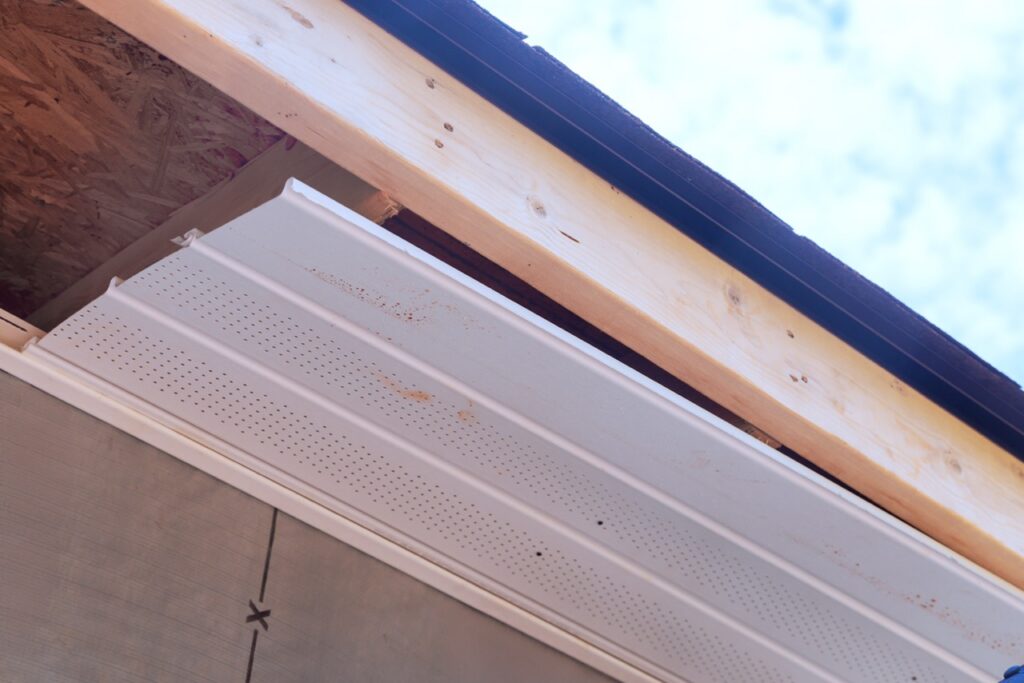
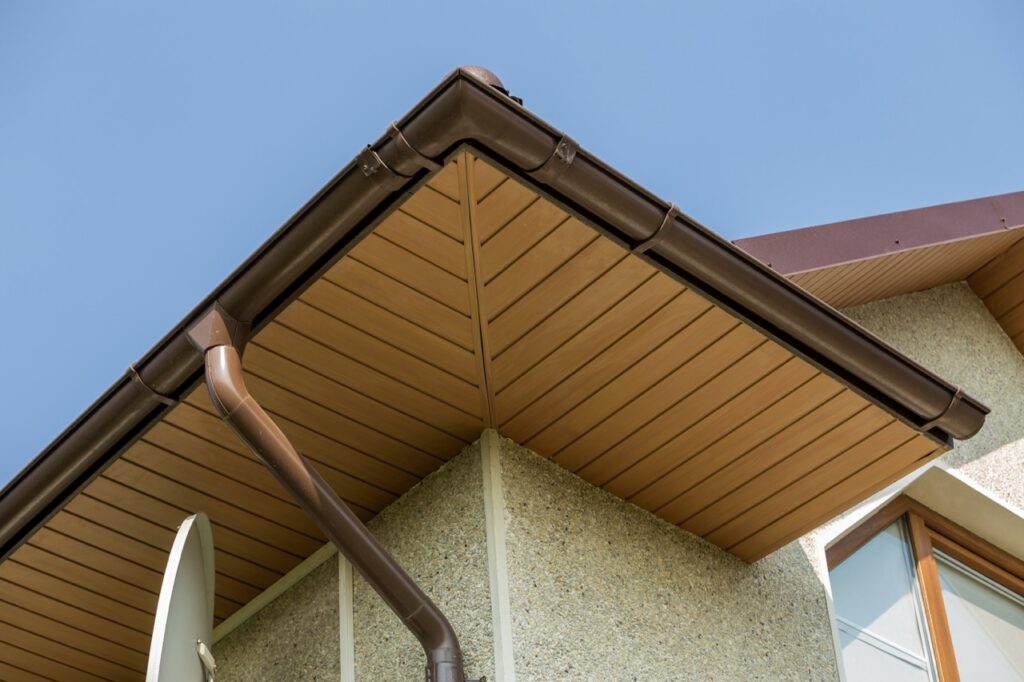
The fascia is the long board that runs along the edge of your roof, right behind the gutter. It caps the ends of the rafters and gives your gutters something solid to hang from. The soffit is the panel underneath the overhang, the part you see when you stand under the eaves and look up. On most homes it is vented, which lets air flow into the attic as part of the roof's ventilation system. Together they close off the roof edge from weather, insects, and animals, and they keep the attic breathing.
The signs your soffit or fascia is rotting
Start at the curb and walk the house. Peeling or bubbling paint on the fascia is often the first sign that water is getting into the wood. Dark stains running down the board, or streaks below the gutter, mean water is spilling behind it instead of draining away. A gutter that sags or pulls away from the house usually means the board it is fastened to has gone soft. Underneath, look for soffit panels that are cracked, warped, or hanging loose, and for droppings, nesting material, or chewed gaps that tell you birds, squirrels, or bats have moved in.
You do not need a ladder for this one, and we would rather you stay off it. During a steady downpour, stand somewhere dry and watch the gutter line. If water is pouring over the front, dripping from behind the gutter, or running down the face of the fascia board, that board is getting soaked every time it rains. Take a photo or a short video. It tells us more than you might expect.
Signs it's a section repair
The damage is contained and the cause is clear. Fix both and move on.
What we look for
- Peeling paint on a board that still feels firm when pressed.
- One soft spot under a downspout or at a single corner.
- Gutters that are still straight and tight to the house.
- One or two cracked soffit panels with the rest intact.
Signs it's a bigger job
The rot has spread past one spot. Patching piece by piece just means another visit.
What changes the answer
- Soft or crumbling wood along most of one side of the house.
- A gutter that sags or pulls away no matter how often it is rehung.
- Dark stains or soft spots on the rafter ends behind the fascia.
- Birds, squirrels, or other animals getting into the eaves in more than one place.
What causes soffit and fascia rot in the first place?
Nine times out of ten, the trouble starts with water that is not going where it should. Gutters packed with leaves overflow and soak the fascia behind them, which we cover in detail in our post on clogged gutters and roof damage. Gutters that were hung without the right pitch hold standing water against the board. Missing or failed drip edge lets runoff wick into the wood. In winter, ice dams back meltwater up under the roof edge. And when soffit vents are blocked, moist attic air has nowhere to go, so the wood stays damp from the inside as well.
Should you repair a section or replace the whole run?
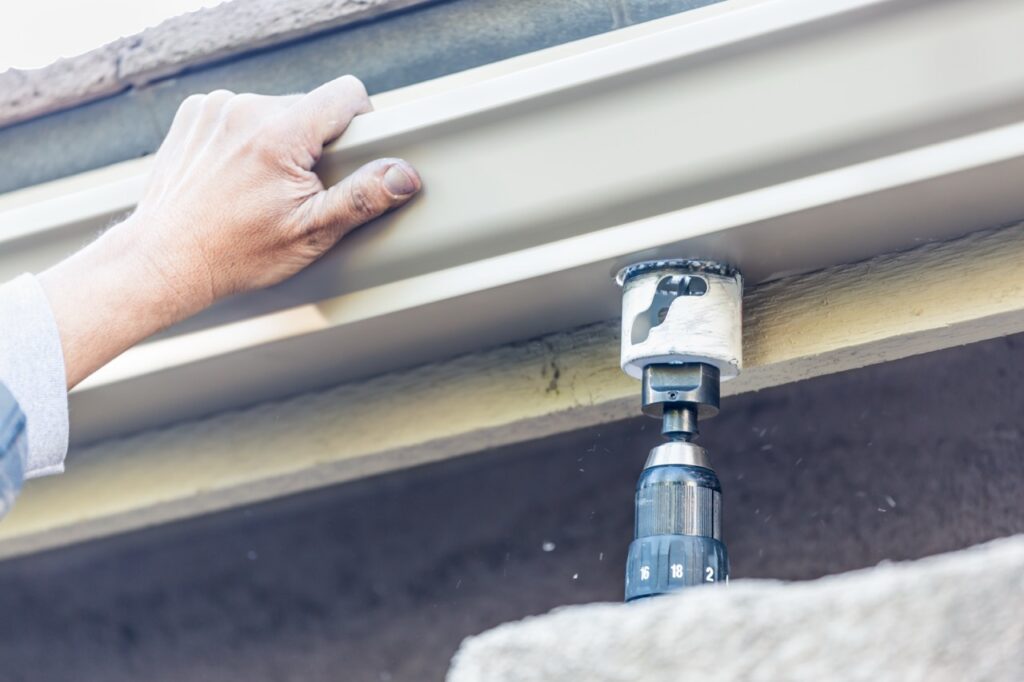
When the rot is limited to one corner, or a short stretch under a downspout that was overflowing, we cut out the damaged section, replace it with new material, and fix whatever let the water in. When the wood is soft along most of a side, patching one piece at a time just means coming back for the next piece. At that point, replacing the run is the cleaner fix. The table below shows the factors we weigh.
| Factor | Lean Repair | Lean Replacement |
|---|---|---|
| Paint and finish | Peeling, but the wood is still firm | Peeling over wood that feels soft |
| How far it has spread | One corner or a short stretch | Most of a side of the house |
| Gutter attachment | Still tight to the board | Sagging or pulling away |
| Soffit panels | One or two cracked or loose | Warped, brittle, or missing along the run |
| Animals | One entry point to seal | Nesting in several spots |
| Rafter ends | Solid behind the board | Stained or soft behind the board |
| Roof replacement | Not planned for years | Coming up soon, so do both together |
Covering a fascia board with aluminum or vinyl trim is a good way to protect sound wood. Covering a rotted board with the same trim is a shortcut. It looks new from the street, but the rot keeps spreading underneath, the gutter fasteners keep losing their grip, and by the time anyone notices, the damage has reached the rafter ends. Before anything gets wrapped, ask the contractor to confirm that the wood underneath is solid, and to show you how they checked.
What a soffit and fascia repair looks like from our side
It starts with a phone call. We take down your information, set a time to come out, and ask for a one-hour arrival window so traffic does not leave you waiting. When we get there, we look at the soffit, the fascia, the gutters, and the roof edge together, because the cause of the rot is almost always one of the others. We explain everything we found, give you a price on the spot, and make sure you are completely comfortable before you sign. If you go ahead, we schedule the work, fix the cause along with the damage, and clean up the job site before we leave. Every repair comes with a minimum one-year warranty.

“Replacing a rotted board is the easy part. The job is finding out why it got wet, because if we only fix the wood, we will be back for it again.”— Craftsman Roofing
The decision matrix
Read down the left column and find the rows that describe your house. Every one of these can be checked from the ground. Most homes match more than one row, so go with the column that wins most of your rows.
| If your soffit or fascia… | Repair a section | Replace the run |
|---|---|---|
| Has peeling paint but firm wood | Yes | Overkill |
| Has one soft spot near a downspout | Yes, and fix the gutter | Premature |
| Is soft along most of a side | Patchwork | Yes |
| Has a gutter pulling away | If the board is sound | If the board is soft |
| Has animals getting into the eaves | Seal the entry | If panels are brittle |
| Has stained or soft rafter ends | Not safe to patch | Yes |
| Sits under a roof due for replacement | Stopgap only | Do it with the roof |
The bottom line
Soffit and fascia damage caught early is usually a straightforward section repair. Damage that has been left to spread turns into a longer run of new boards, a rehung gutter, and sometimes work on the rafter ends behind them. The difference between the two is mostly time, which is why it pays to look up at your roof edge a couple of times a year. Our fall roof checklist is a good place to start.
If you have spotted peeling paint, a leaning gutter, or something living in your eaves, we are happy to take a look. Learn more about our soffit and fascia repair work, or request a free estimate and we will tell you honestly whether it is a small repair or a bigger job, even when the honest answer is the smaller invoice.