
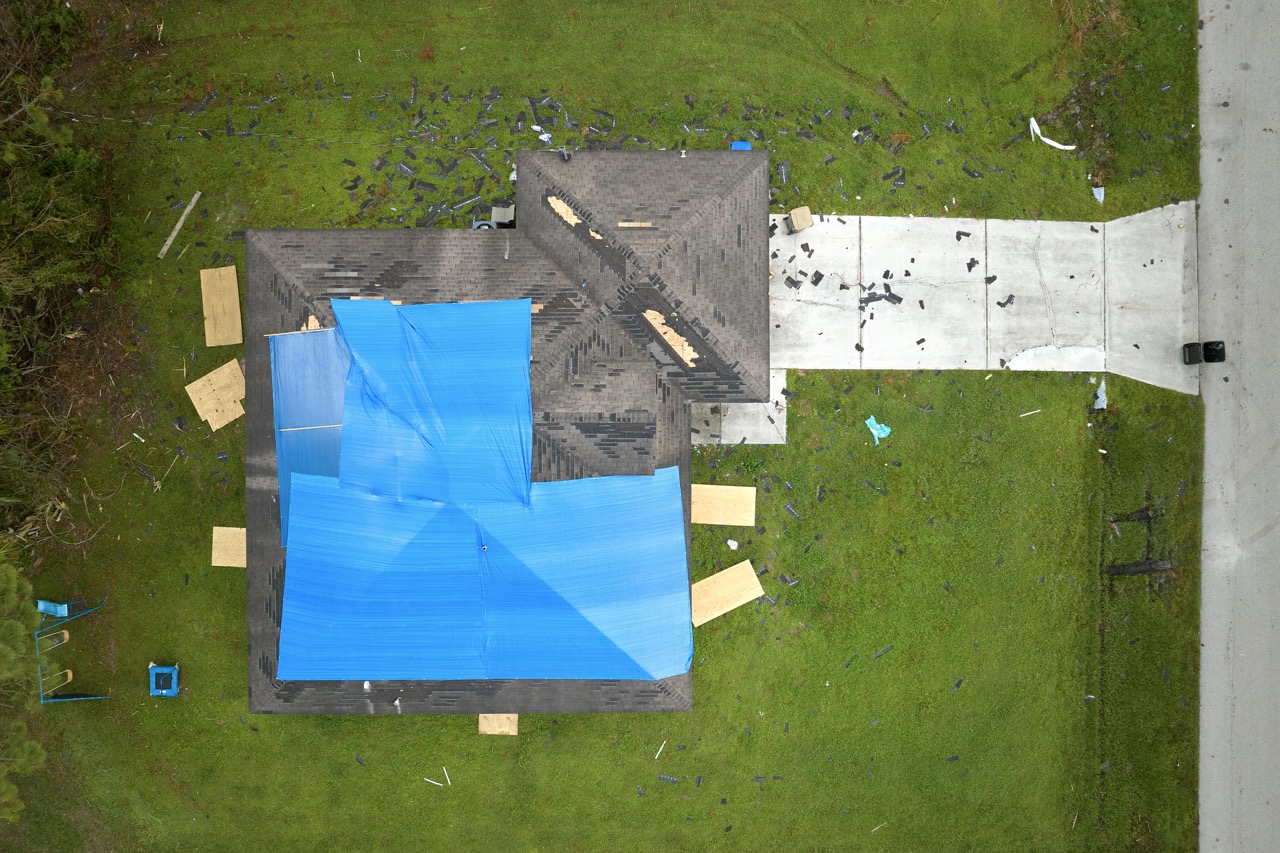
5 Warning Signs Your New Jersey Roof Needs Replacing
Your Roof Is Talking — Are You Listening?
Most homeowners don't think about their roof until water is dripping through the ceiling. By that point, the damage has already spread to the decking, insulation, and sometimes the framing. The truth is, your roof gives you plenty of warning before it fails — you just have to know what to look for.
We've been replacing roofs across Central and Northern New Jersey for years, and we see the same patterns over and over. Homeowners who catch these signs early save thousands in interior damage repairs. Here are the five red flags we tell every homeowner to watch for.
Get a Free Estimate!
Your Roof Is 20+ Years Old
Standard asphalt shingle roofs in New Jersey last between 20 and 30 years depending on the product, the quality of installation, and how much weather they've absorbed. If your roof is pushing past the 20-year mark, it's entered the window where failure becomes likely — even if everything looks fine from the ground. The granule coating that protects shingles from UV breaks down gradually, and once it's gone, the underlying asphalt dries out and cracks.
Here's the thing most people don't realize: a 25-year-old roof that "looks okay" can still be one bad nor'easter away from catastrophic failure. The shingles may be intact, but the underlayment and flashing beneath them have been taking hits for decades. If your roof was installed before 2005, it's worth getting a professional roof inspection to see where things actually stand.
Shingles Are Curling, Cracking, or Missing
Walk out to your yard, step back, and look at your roofline. Do you see shingles that are buckling upward at the edges? Tabs that are cracked down the middle? Bare spots where shingles have blown off entirely? Any one of these is a sign that the roofing material has reached the end of its useful life. Curling happens when the shingle loses its flexibility — the asphalt has dried out and can no longer expand and contract with temperature changes.
In New Jersey, our freeze-thaw cycles are brutal. A shingle that curls in December will crack in January and blow off in March. Once that happens, the exposed underlayment is your only remaining barrier against water, and it wasn't designed to be a long-term solution. If you're seeing shingle damage across multiple areas of the roof — not just one or two tabs — it's time to talk about full roof replacement rather than spot repairs.
Your Gutters Are Full of Granules
Check your gutters and downspouts after the next rainstorm. If you see a thick layer of dark, sand-like grit collected at the bottom, that's granule loss — and it's one of the most reliable indicators that your shingles are deteriorating. Those granules are the protective surface layer of every asphalt shingle. They block UV rays, shed water, and give the shingle its fire rating. When they wash off in large quantities, the shingle underneath is exposed and starts degrading much faster.
Some granule loss is normal on a brand-new roof during the first year. But on a roof that's 15 years old or more, heavy granule accumulation in your gutters means the shingles are losing their ability to protect your home. You might also notice your roof looks patchy or uneven in color — that's bare asphalt showing through where the granules have worn away.
You Can See Light Through the Roof Boards
This one is simple: go up to your attic on a sunny day, turn off the lights, and look up at the underside of the roof deck. If you can see pinpoints of daylight coming through the boards, you have a serious problem. Where light gets in, water gets in. Those gaps mean the shingles, underlayment, or decking itself has failed at those points — and every rainstorm is sending moisture into your attic.
Even small light spots can mean big trouble. Water that seeps through those openings soaks the insulation (killing its R-value), feeds mold growth, and slowly rots the structural wood. We've pulled up roofs where the homeowner only noticed a few bright spots in the attic, and the decking underneath was spongy and black. If you see daylight, don't wait — call for an emergency roof assessment before the next storm.
Your Roofline Is Sagging or Dipping
Stand across the street from your house and look at the ridge line — the very top of the roof. It should be straight. If you see any dips, waves, or areas where the surface seems to droop, you're looking at structural failure. A sagging roof means the decking or the support structure underneath has been compromised, usually by prolonged moisture exposure. This is the most serious warning sign on this list, and it means the problem has been developing for a long time.
Sagging doesn't happen overnight. It's the result of months or years of water infiltration weakening the plywood decking and potentially the rafters or trusses beneath it. A sagging roof is not a repair job — it's a full replacement that may include decking and structural reinforcement. If you're seeing this, it's urgent. The longer you wait, the more extensive (and expensive) the rebuild becomes. We've handled plenty of these jobs across Bergen County, Hudson County, and beyond — and the homeowners who call sooner always come out ahead.
Roof Replacement FAQs
Most residential roof replacements take between one and three days, depending on the size of the home, the roofing material, and weather conditions. A standard single-family home with asphalt shingles is typically completed in a single day. We always plan for a weather buffer and will communicate any schedule changes as soon as we know about them.
Sometimes, yes. If the damage is limited to a small area — a few missing shingles or a single flashing failure — a targeted repair makes sense. But if you're seeing widespread shingle deterioration, granule loss across the entire surface, or structural sagging, patching individual spots won't solve the underlying problem. We'll always tell you honestly whether a repair will hold or whether you're better off replacing.
It depends on the cause. If your roof was damaged by a covered event — wind, hail, fallen trees — your insurance policy will likely cover part or all of the replacement cost. Normal wear and tear is generally not covered. We work with insurance companies regularly and can help you document the damage for your claim. Our team handles insurance claim roofing projects from start to finish.
Every complete roof replacement we do comes with a 50-year manufacturer warranty through our certified partnerships with GAF Timberline and Owens Corning. On top of that, our own workmanship is backed by a minimum 1-year labor warranty. The manufacturer warranty covers material defects, while our warranty covers installation quality. We'll walk you through the full coverage details before any work begins.
Cost varies based on the size of your roof, the material you choose, the complexity of the layout (valleys, dormers, skylights), and whether any decking needs to be replaced. A standard asphalt shingle replacement for a typical NJ home generally falls between $8,000 and $20,000. The best way to get an accurate number is to schedule a free on-site estimate — we'll measure, inspect, and quote you on the spot with no obligation.
Yes, but with some caveats. Asphalt shingles need a minimum temperature of around 40°F to seal properly. Below that, we use hand-tabbing and compatible adhesives to ensure a watertight bond. We won't install in active precipitation or on ice-covered surfaces. If your roof is failing in January, we can absolutely get it done — we just need to pick the right weather windows. Most manufacturers honor their warranties on winter installations as long as proper techniques are used.
Related Services
Roof Replacement
Full tear-off and re-roof with premium Timberline or Owens Corning shingles, backed by a 50-year manufacturer warranty.
Learn MoreRoof Repair
Targeted repairs for leaks, missing shingles, flashing failures, and storm damage — fast response, honest pricing.
Learn MoreStorm Damage Repair
Wind, hail, and fallen-tree damage repaired quickly. We work directly with your insurance company to simplify the claims process.
Learn MoreGet Your Free Roof Inspection Today
Catching roof problems early saves you money. Whether you spotted one of these warning signs or you just want peace of mind, our team will inspect your roof, show you exactly what's going on, and give you a straight answer — no pressure, no gimmicks.
Call or Request Online
Reach out by phone or submit a request through our website. We'll get back to you the same day.
Free On-Site Inspection
Our crew comes out, inspects your roof top to bottom, and documents everything with photos.
Get Your Honest Quote
We walk you through our findings and give you a clear, written estimate — no surprises, no hidden fees.