Metal Roofing Built To Outlast The House
A properly installed metal roof in NJ runs 50 to 70 years, sheds snow loads, and shrugs off wind that ruins asphalt. We install both standing seam and exposed-fastener systems — and we'll tell you straight when metal is the wrong call for your house.
Fairview, NJ
A Roof You Probably Won't Replace Twice
Asphalt shingles in NJ run 20 to 30 years. A properly installed metal roof runs 50 to 70 — sometimes longer. The math gets interesting fast: pay 50 to 80% more upfront, replace once instead of three times, register a transferable warranty that follows the house through resales. For the right house and the right owner, it's the smartest dollar you'll spend on the building.
We install standing seam (hidden fastener, premium aesthetic, residential-friendly) and exposed-fastener corrugated (workhorse, agricultural and outbuilding standard, lower price point). Most NJ residential metal roofs we install are 24-gauge standing seam in galvalume or coated steel. If you're not sure metal is the right material yet, start with the broader residential roofing conversation first.
Get a Free Estimate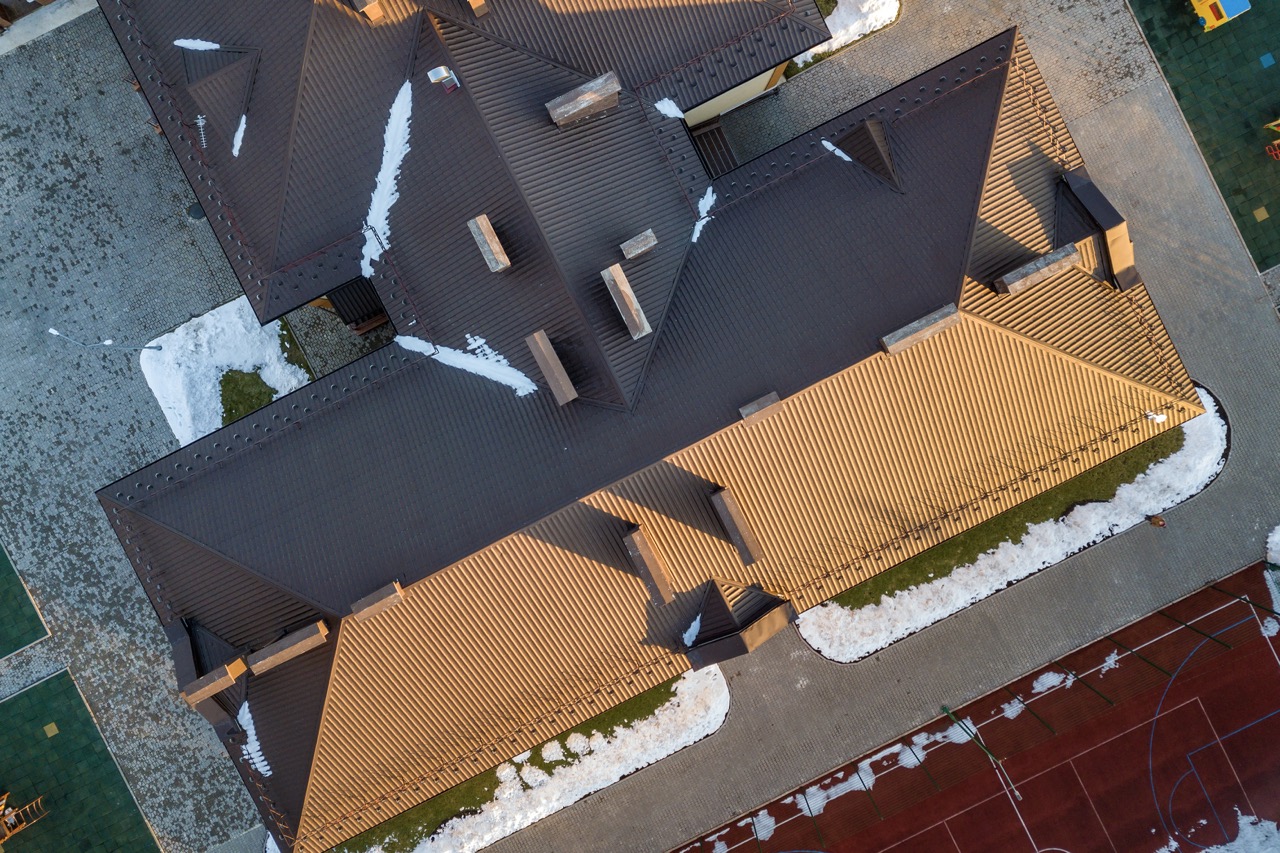
Four Things Worth Understanding Before You Sign
Metal is the right material for a lot of NJ houses — and the wrong material for some. Here's the honest breakdown.
Two Systems, Different Houses, Different Prices
Standing seam is the premium residential system — vertical metal panels with raised, interlocking seams that hide all fasteners. Clean, modern aesthetic, factory-coated finish, 50-year paint warranty common, and the hidden-fastener detail means there's nothing to back out and start leaking in 15 years. This is what we install on most residential NJ metal projects.
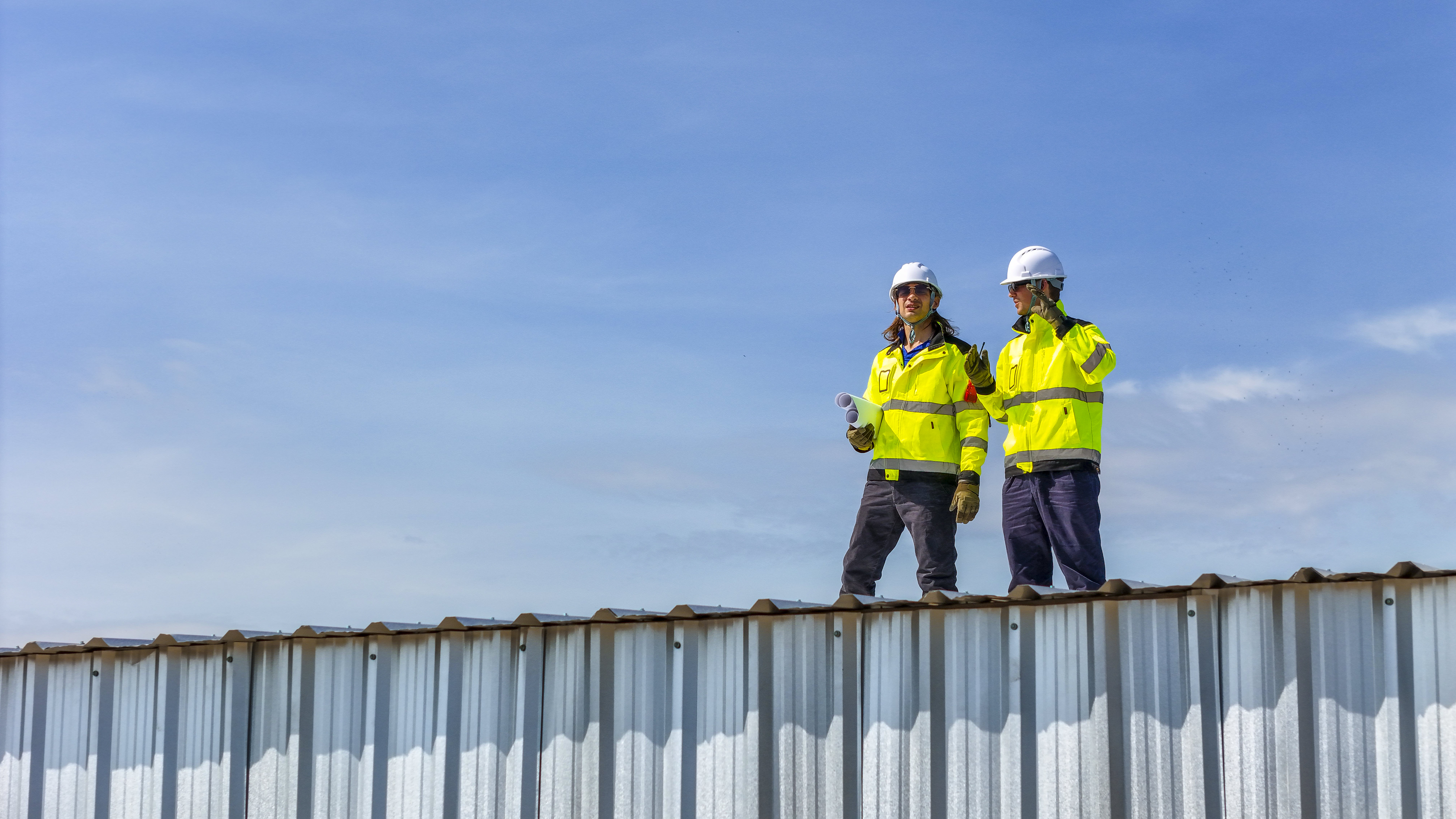
Exposed-fastener corrugated is the workhorse — visible screws through the panel face, lower material cost, faster install, and the standard for barns, outbuildings, garages, and some commercial work. Properly installed with EPDM-gasket fasteners it lasts 40+ years, but the gaskets need a check-up every 10. For commercial low-slope work, standing seam isn't always the answer — sometimes a flat-roof membrane is the better fit.
Why The Higher Sticker Often Wins Long Term
An asphalt shingle re-roof in NJ runs 25 to 35 years on a premium system, 18 to 25 on mid-tier. Over a 50-year window you replace it at least twice, possibly three times, and each replacement costs more than the last as material and labor inflate. A properly installed standing seam metal roof goes the entire 50 with one installation, then has another 10-20 years left in it. The lifetime cost lines up roughly even — sometimes metal wins by 20 to 30%. Where metal really wins is on the in-between costs: fewer leak repairs, no granule loss, no wind-blown shingle replacements after every storm. The sticker price is higher; the total cost of ownership is often lower. The catch is timing: metal is the right call when you plan to be in the house long enough to capture that lifecycle, or when you care about the resale and warranty-transfer story for the next owner.
Snow Loads, Coastal Wind, And Ice Dams
NJ throws a specific weather mix at roofs and metal handles each piece better than asphalt. Heavy wet snow slides off smooth metal panels before it can compress into 200-pound ice loads — that means fewer torn gutters and fewer ice dams forming at the eaves. Coastal wind events that strip shingle tabs off the field don't have any tabs to strip on a standing seam roof, and properly clipped systems carry wind ratings up to 140 mph. For houses that have repeatedly fought ice dams, a metal upgrade is often the permanent fix — metal plus proper attic ventilation usually ends the cycle entirely.
The trade-off: metal needs the right substrate and insulation detail to handle thermal expansion and condensation. Done wrong it sweats and corrodes. Done right it outlasts the decking under it.
Four Times We Tell Homeowners "Don't Do It"
We've talked plenty of NJ homeowners out of metal roofs. Here are the four most common reasons. First, very complex roofs with multiple intersecting valleys, dormers, and dozens of penetrations — metal flashing detail at every penetration adds hours of skilled labor, and sometimes the math just doesn't justify it over a premium asphalt system. Second, strict historic-district or HOA rules that don't permit metal — common in parts of Princeton, Morristown, Cape May. Third, short-stay homeowners who plan to sell in under 7 years — you won't capture enough of the lifecycle savings. Fourth, very tight budgets where every dollar of upfront cost matters more than the 30-year horizon — a properly installed asphalt system on a tight budget is honest work, and we'll do that instead. If asphalt turns out to be the right call, we install GAF and Owens Corning premium systems with full transferable warranties.
Metal Is Different — Make Sure Your Installer Knows That
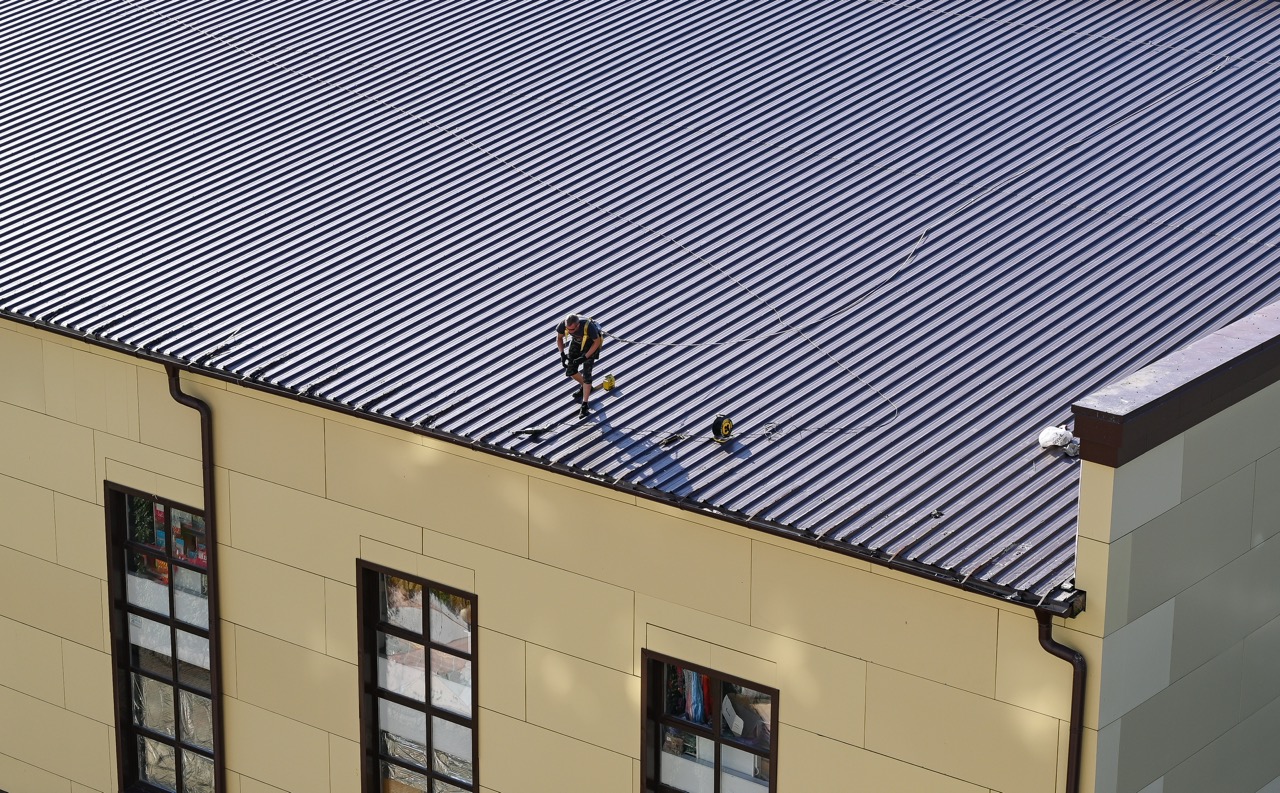
Most NJ residential roofers do asphalt 95% of the time and metal as a side gig. The detail work is different — and the failure modes when it goes wrong are expensive.
- In-house standing seam crew — not subbed out to whoever's available
- Proper concealed clip system for thermal expansion — panels move, fasteners don't
- Synthetic high-temp underlayment — not the same felt that goes under asphalt
- Custom-bent flashings on site — every penetration gets detail work, not generic boots
- Manufacturer warranty registered the day of completion, transferable to next owner
Six Steps From First Call To Warranty Certificate
Metal projects take longer than asphalt — usually 4 to 7 working days for a typical residential roof. Here's the sequence.
Site Visit
One-hour window. We measure, look at the attic, talk through standing seam vs corrugated and what fits the house.
Itemized Quote
Written estimate with material, gauge, color, profile, and underlayment spec. No hidden line items.
Material Order
Panels run on a 4-to-6-week lead time from the mill. Custom colors take longer; we tell you upfront.
Tear-Off & Decking
Strip the existing roof, inspect every sheet of decking, replace what's soft, install high-temp underlayment.
Panels & Flashings
Panels installed with proper concealed clips, custom flashings bent and fitted at every penetration.
Walkthrough & Registration
Final inspection together, manufacturer warranty registered in your name, paperwork handed over.
Six Reasons Metal Buyers Don't Cross-Shop Us
Family-Owned, NJ-Based
Headquartered in Fairview, NJ — same owners on the phone, same crew on your roof. Not a franchise.
Licensed & Insured
Fully NJ-licensed and insured. Certificate available before any tear-off begins.
Standing Seam & Corrugated
Both systems handled in-house — we recommend the right one for the house, not the one with the higher margin.
Custom-Bent Flashings
Every penetration gets a bent-on-site flashing matched to the panel profile — no generic asphalt boots adapted to metal.
Transferable Warranties
Manufacturer warranty registered day-of and transferable on resale — adds documented value to the house.
Full Cleanup, Magnetic Sweep
Metal scrap, fasteners, and clips magnetically swept around the perimeter. Your driveway and lawn stay nail-free.
If Metal Isn't The Right Fit
Slate Roofing
The other century-class option — natural and synthetic slate for historic NJ homes that warrant it.
Learn MoreFlat Roof Systems
EPDM, TPO, and modified bitumen for low-slope sections, additions, and commercial buildings.
Learn MoreAsphalt Shingle Roofing
GAF and Owens Corning premium systems — the right call when budget or architecture rules out metal.
Learn MoreWhere We Take Metal Projects
Get The Honest Lifecycle Math
Standing seam, corrugated, or "honestly stick with asphalt" — we'll walk you through which one fits the house and the budget.
Tell Us About The House
A few minutes on the phone — pitch, age, current roof, and how long you plan to be there.
On-Site Measurement
One-hour window. We measure, photograph, look at substrate and ventilation.
Written Estimate
Itemized quote in hand before we leave. Material, gauge, profile, color, lead time — all spelled out.