
The Fall Roof Checklist for New Jersey Homeowners
Fall Is the Cheapest Time to Fix a Roof
Every winter we get the same call. Water is coming through a bedroom ceiling, there is ice hanging off the gutters, and the homeowner tells us the roof was fine in October. It usually was fine in October — fine enough that nobody looked closely at it. The problems that flood a house in January are almost always small, cheap, visible problems in September.
This is a checklist you can work through yourself in an afternoon, mostly from the ground with a pair of binoculars and a ladder you feel safe on. None of it requires a contractor. It will, however, tell you whether you need one — and it will tell you now, while the weather is still good and the schedule is still open.
Get a Free Estimate
Five Things to Look At Before the Weather Turns
Work through these in order. The first three you can do yourself in an hour. The last two are about what you do with what you find.
Start With the Gutters, Not the Shingles
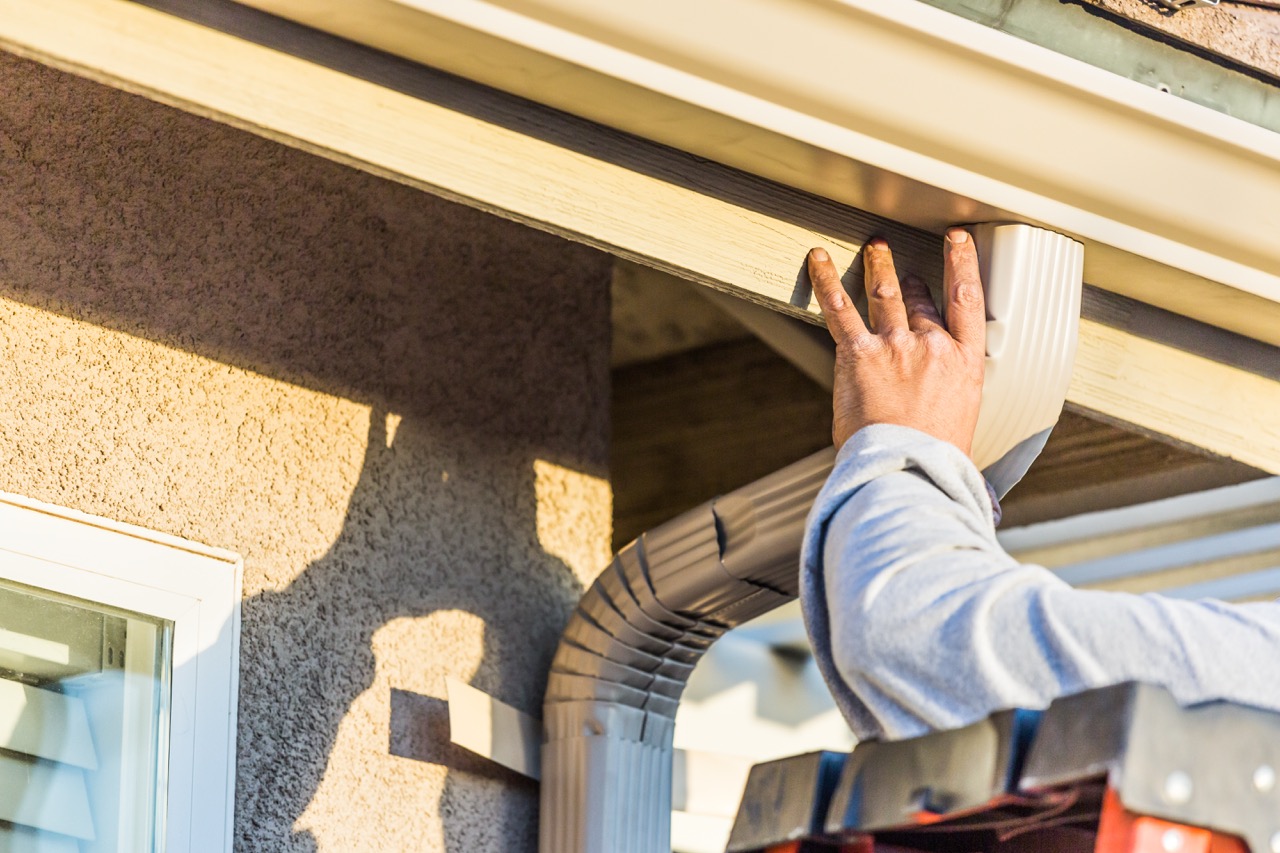
Clogged gutters cause more winter roof damage in New Jersey than worn shingles do. Water that cannot drain sits at the eave, freezes, and backs up under the first three courses of shingle. Clean them twice in fall — once in mid-October and again after the last leaves drop in November — because one cleaning in September just fills back up. While you are up there, check that every downspout actually discharges water away from the foundation and that the seams are not weeping. Run a hose through the system and watch where it goes.
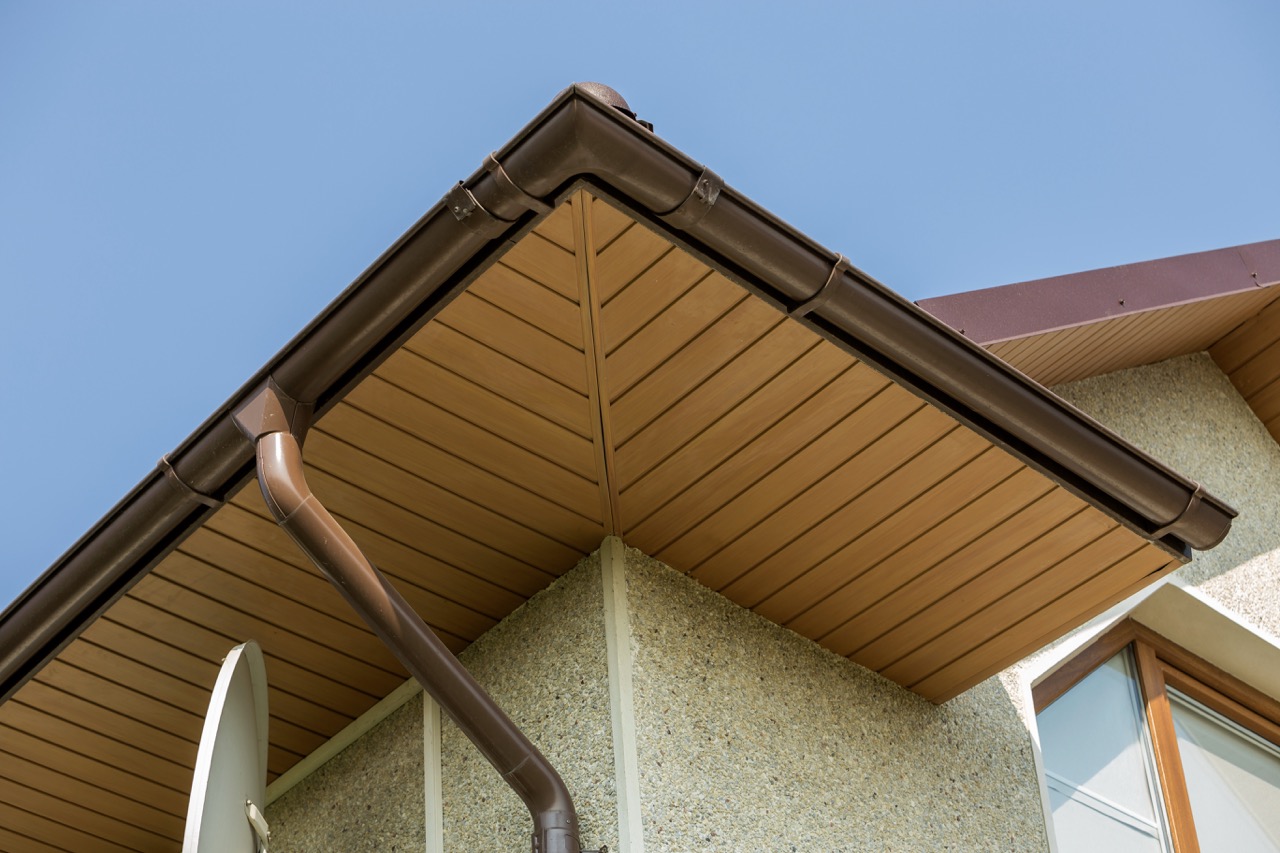
Also look at the fascia board behind the gutter. If it is soft, dark, or pulling away from the brackets, the gutter has been overflowing for a while and the wood is rotting — that is a soffit and fascia repair before it is anything else. If you are cleaning gutters more than twice a year under heavy tree cover, gutter guards pay for themselves quickly, and sagging or leaking runs are usually better replaced with seamless gutters than patched a third time.
What Happens Under the Roof Deck
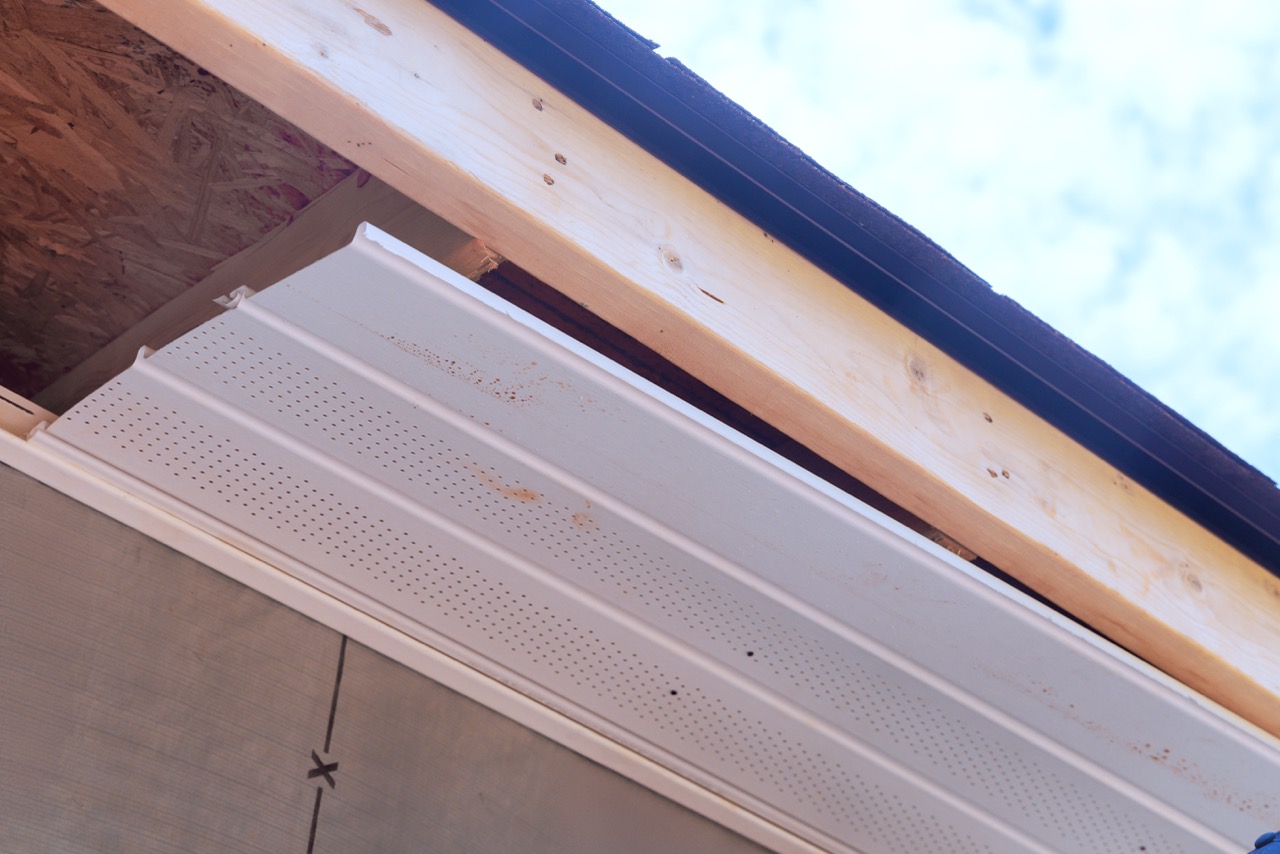
Ice dams are not a shingle problem. They form when warm air escaping the living space heats the underside of the roof deck, melts the snow above it, and the meltwater refreezes when it reaches the cold overhang. The fix is almost always air, not roofing. Go up into the attic on a cold morning with a flashlight and look for three things: daylight or blocked airflow at the soffit vents, insulation shoved into the eaves where the intake air needs to travel, and frost or dark staining on the nails and sheathing.
Frost on the underside of the deck means moist indoor air is getting up there and condensing — that is the same air that will build your ice dam in January. Balanced intake at the soffits and exhaust at the ridge is what stops it, and correcting roof ventilation is usually a fraction of the cost of the damage it prevents. If dams have already formed on this roof in past winters, get the ventilation looked at now rather than booking ice dam removal again in February.
Look for the Small Failures First
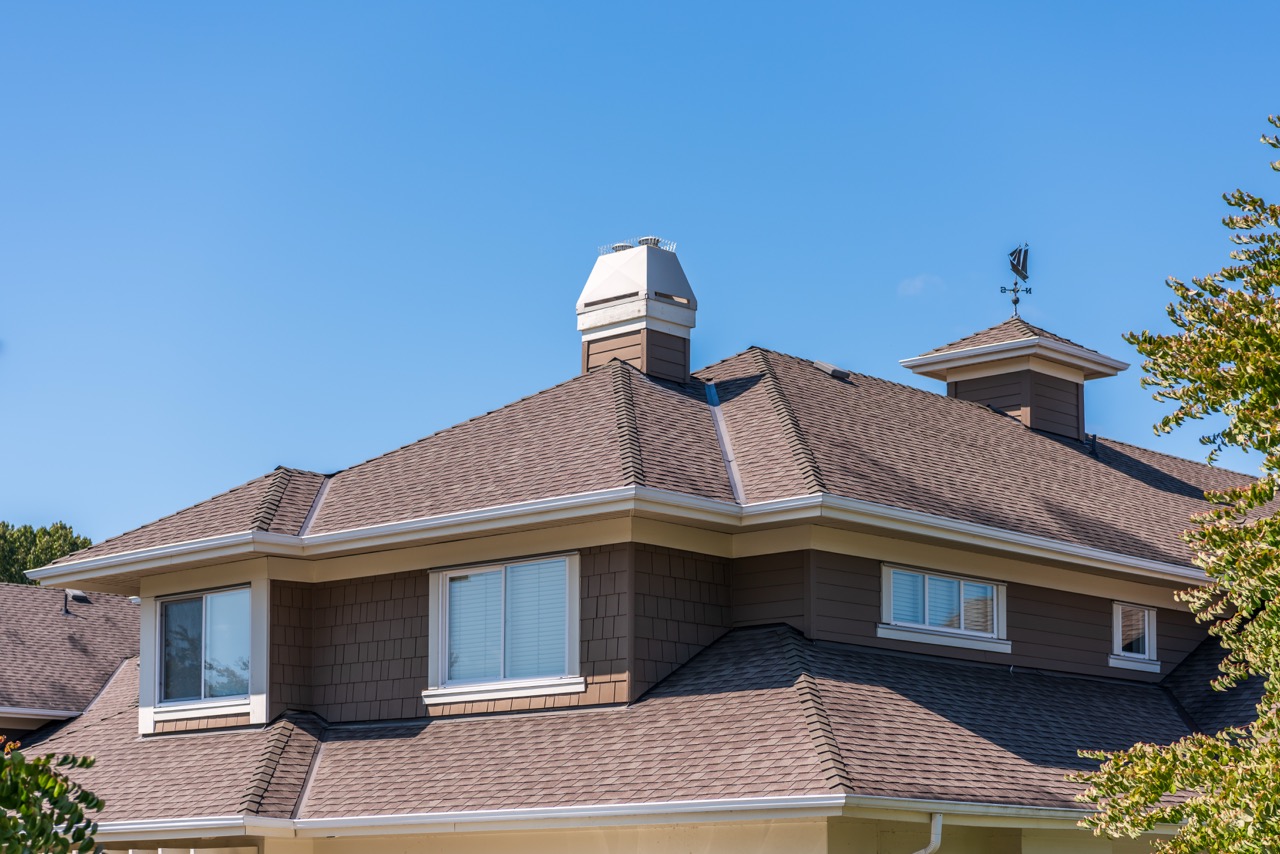
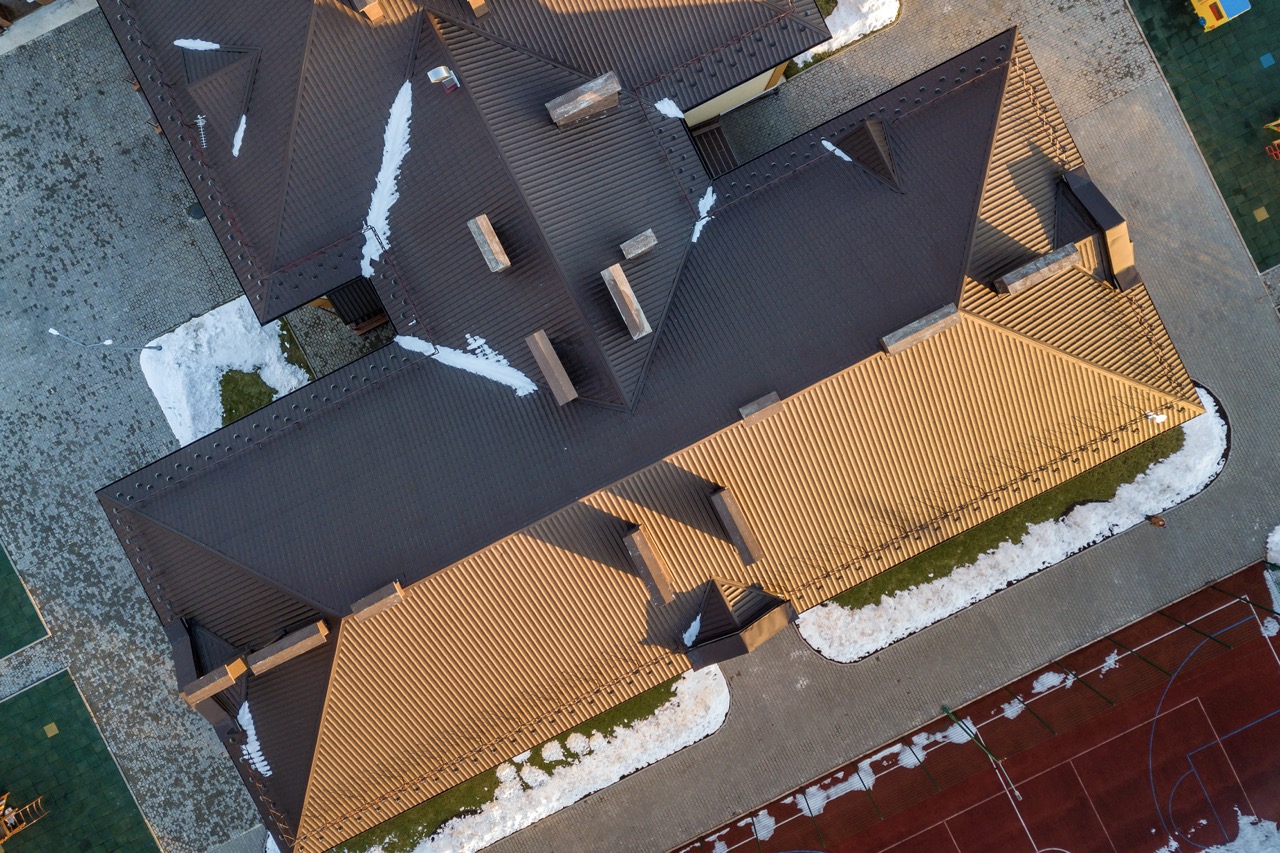
You do not need to walk the roof to do this well. Stand at each corner of the house with binoculars and work the roof plane by plane. You are looking for shingles that are lifted, curled at the corners, cracked, or missing tabs; for dark patches where the mineral granules have worn off; and for any course that looks wavy or dipped, which can mean the decking underneath is soft. Then check the gutters for granules — a heavy layer of what looks like coarse sand is the roof telling you how much life it has left.
Next, look at the joints rather than the field. Most leaks do not start in the middle of a roof plane; they start where the roof meets something else. Check the metal flashing around the chimney, in the valleys, at skylights, and where a lower roof runs into a wall. Rust, lifted edges, gaps, or cracked sealant at any of those points is where water gets in first, and it is a small job right up until it is not. A section of failed roof flashing repair or a handful of replaced shingles handled as ordinary roof repair in October costs a small fraction of what the same water costs after it has spent a winter in your insulation. If you are seeing granule loss across the whole roof, curling on multiple planes, and shingles that are simply brittle, you are past repair territory and should price a roof replacement honestly instead of spending another season patching.
Don't Let Summer Damage Winter Over
New Jersey summers deliver hail, straight-line wind, and the occasional tropical remnant, and a roof can take real damage without leaking a drop that season. Wind lifts shingles and breaks the seal strip underneath without moving them out of place; hail bruises the mat and knocks off granules in spots you cannot see from the driveway. The roof holds through a rainstorm and then fails under the first heavy snow load. If a storm came through your town this year, treat the roof as suspect even if the ceilings are dry.
The other reason to act in fall is paperwork. Most policies require a claim to be filed within a set window of the storm date, and the longer you wait, the easier it is for an adjuster to argue the damage is age rather than weather. Photograph everything now, keep the date, and get a written assessment before you file. We handle storm damage roof repair across the state and can document the roof properly for an insurance claim — and if the damage does not warrant a claim, we will tell you that too.

Get on the Schedule Before the Rush
Roofing is seasonal in a way most homeowners do not see until they need it. September and early October are workable; by late November, shingles do not seal properly in the cold and every crew in North Jersey is running behind. If your own walkaround turned up anything on this list — granules in the gutters, questionable flashing, frost in the attic, a storm you never had checked — that is the point to get a professional set of eyes on it. A roof inspection costs nothing with us and ends with a written answer rather than a sales pitch. If everything checks out, annual roof maintenance is what keeps a roof reaching the end of its warranty instead of stopping ten years short.




Six Steps, One Visit, Written Findings
Here is exactly what happens when we come out for a seasonal roof check — no upsell, no scare tactics.
1. Book a Time
Call or send a message and we schedule a window that works around your day, usually within the same week.
2. Ground & Roof Survey
We walk the perimeter first, then the roof itself, checking shingle condition, valleys, flashing, chimney and skylights.
3. Drainage Check
Gutters, downspouts, fascia and discharge points get tested so we know where water actually goes.
4. Attic & Airflow
We check intake and exhaust ventilation, insulation coverage, and any signs of moisture on the underside of the deck.
5. Photo Documentation
Everything we find gets photographed, which matters if the next step is an insurance claim.
6. Written Findings
You get a plain list of what needs doing now, what can wait, and what it costs. Nothing more.
Credentials You Can Check Yourself
BBB A+ Rated
An A+ rating with the Better Business Bureau, earned through how complaints get handled — not bought.
Google Guaranteed
Screened, background-checked and backed by Google. Verified before we ever knock on a door.
Certified Installer
Certified with both GAF Timberline and Owens Corning roofing systems, installed to manufacturer spec.
50-Year Warranty
Complete roof replacements carry a 50-year manufacturer warranty on the system we install.
Repairs Are Warrantied Too
Every repair we make is backed by a minimum one-year warranty, including small storm fixes.
Family-Owned, Based in NJ
We work out of Fairview and live in the same weather you do. Honest pricing and a clean jobsite at the end of it.
Fall Roof Prep, Answered
Shingle work is comfortable through October and usually fine into November. Asphalt shingles rely on a heat-activated seal strip, and once daytime temperatures sit below about 40°F they may not bond until spring, which leaves them vulnerable to wind. We can and do work in cold weather using hand-sealing methods, but if you have a choice, book before Thanksgiving.
If you have mature trees near the house, yes. Oaks and maples in this part of New Jersey drop well into November, so a single September cleaning is full again before the first freeze. Clean once in mid-October and again after the last leaves come down. If that sounds like a lot of ladder time, gutter guards cut it down to an annual check.
We would rather you didn't. Almost everything on this checklist can be seen from the ground with binoculars or from a ladder at the eave. Roof falls are serious, wet or frosted shingles are far more slippery than they look, and walking an aging roof can crack shingles that were otherwise intact. If you need eyes on the field of the roof, that is what a free inspection is for.
Look at last winter's evidence and this fall's attic. Icicles hanging off the gutter line, water stains at the top of exterior walls, or peeling paint under the eaves all point to dams. In the attic, frost on the nails or dark staining on the sheathing means warm moist air is reaching the deck. Both are ventilation and insulation problems, and both are fixable in the fall.
It is worth a look. Wind commonly breaks the seal between shingle courses without displacing them, and hail bruises the shingle mat in ways that only show up months later. A roof damaged in July can hold through fall rain and fail under the first wet snow. There is also a claim window on most policies, so waiting until you see water can cost you the coverage.
It depends on how much good roof is left. Isolated damage on a roof with years of service in it is a repair, full stop. Widespread granule loss, curling across multiple planes, brittle shingles, or a third leak in two years usually means you are paying repeatedly for a roof that is finished. We will give you the honest version, including when the answer is that you have five more years.
Services That Fit This Checklist
Roof Maintenance
Seasonal servicing that keeps small issues small and helps a roof reach the end of its warranty.
Learn MoreGutter Installation
New gutters and downspouts sized and pitched to move water off the roof and away from the foundation.
Learn MoreStorm Damage Repair
Wind and hail assessment, emergency tarping, documented repairs and insurance claim support.
Learn MoreGet It Looked At While It's Still Easy
If your walkaround turned up anything you are unsure about, we will come out and tell you what it is. Free estimate, written findings, no pressure to buy a roof you do not need.
Tell Us What You Found
Call or message us with what you saw — photos help, but they are not required.
We Come Out and Look
A full inspection of the roof, drainage and attic, usually scheduled within the same week.
You Get a Straight Answer
Written findings and honest pricing. If it can wait until spring, we will say so.