
Ice dam removal in NJ. Steam off the ice today. Fix the warm-attic problem so it doesn't come back next February.
An ice dam is what happens when your attic is too warm, the snow on your roof melts from underneath, and that meltwater refreezes when it hits the cold eave overhang. Eventually water backs up under the shingles, finds the deck, and runs into your living room. Craftsman removes ice dams the safe way — low-pressure steam, never hatchets or salt — and then we diagnose the actual source: ventilation, insulation, air sealing, or all three. Same-week response across NJ in winter. Family-owned, NJ-licensed, based in Fairview.
Fairview, NJ
Ice dams aren't a roof problem. They're an attic problem that shows up on the roof.
If you've got icicles hanging two feet off your gutters in February and a wet ceiling in your upstairs bedroom, what you have is an ice dam. The mechanic is straightforward: heat from inside the house leaks up into the attic, the underside of the roof deck warms up over most of the surface, snow on top of the deck melts from below, and that meltwater runs down the shingles toward the eave. The eave overhang sits outside the heated envelope of the house — it stays cold — so the meltwater hits that cold zone and refreezes. Now you've got a wall of ice at the gutter line. The next round of meltwater pools behind the ice wall, finds its way under the shingle laps, hits the deck, and runs down the rafter into your insulation, your drywall, and your hardwood.
Removing the ice in a way that doesn't damage the shingles is half the job. The other half — the half that matters in March — is fixing the warm-attic condition that caused it. That's an air-sealing question, an insulation question, and a roof ventilation question, and it's why "we just hack the ice off every year" is not actually a strategy. We do both.
Call 201-218-2740
Four things to know before you climb up there with a ladder, a hatchet, and a regret.
Why ice dams form. How to remove the ice without wrecking the shingles. How to fix the warm-attic problem at the source. And what our written warranty actually covers.
Warm attic up top. Cold eave at the bottom. Snow on the roof. That's the whole recipe.
An ice dam needs three conditions and only three: enough snow on the roof to act as the water reservoir, a roof deck that's warm enough on the heated portion to melt that snow from below, and an eave overhang that stays cold enough to refreeze the meltwater when it gets there. NJ winters give you the snow for free. Your house gives you the warm deck — usually because of a combination of recessed lights leaking heat into the attic, missing or compressed insulation over the top plates, knee-wall cavities that are uninsulated on one face, or an attic that has no real ventilation pathway from soffit to ridge. The eave is cold because it's cantilevered out past the heated wall, no matter what you do.
The leak path itself is the part that costs you money. Once meltwater pools behind the ice wall, capillary action pulls it up under the shingle laps. Modern code requires self-adhered ice and water shield at the eaves for this exact reason — but on a roof more than 15 years old, that membrane may not exist or may have aged out of its adhesive. Once water hits the bare deck, it runs down the rafter, soaks the insulation (which now performs at maybe 30% of its R-value), and shows up as a brown stain on your bedroom ceiling. If the leak path has already opened up, our roof leak repair page covers the full diagnosis-and-fix process.
Steam removes ice. Hatchets remove ice and shingles. Salt removes ice and the rest of your gutters.
Professional ice dam removal in 2026 means low-pressure steam, period. The equipment is a propane-fired boiler at the truck and an insulated hose running up to a low-pressure wand on the roof — typically operating at 200–300°F at the tip, low PSI, high temperature. The steam melts the ice in front of the wand at a controlled rate without lifting shingle granules, and the meltwater runs harmlessly into the gutter. A trained operator can clear a 30-foot section of dam in 60–90 minutes without leaving a single mark on the roof. We document before-and-after with photos.
What you should not do — and what amateur ice dam removal services still do — is take a hatchet, a roofing pick, or a hammer to the ice. That cracks shingle mats, dislodges granules, and creates new leak paths. You also should not use a calcium chloride sock, which works for about an hour, then turns the runoff into a corrosive solution that pits aluminum gutters and stains masonry below. Pressure-washing the dam is the worst option: it forces liquid water under shingles into the exact wall cavity you're trying to keep dry. If your gutters need help anyway after a hard winter, our seamless gutters page covers the upgrade path most homes benefit from.
Ventilation, air sealing, and insulation — the three levers that actually stop ice dams from coming back.
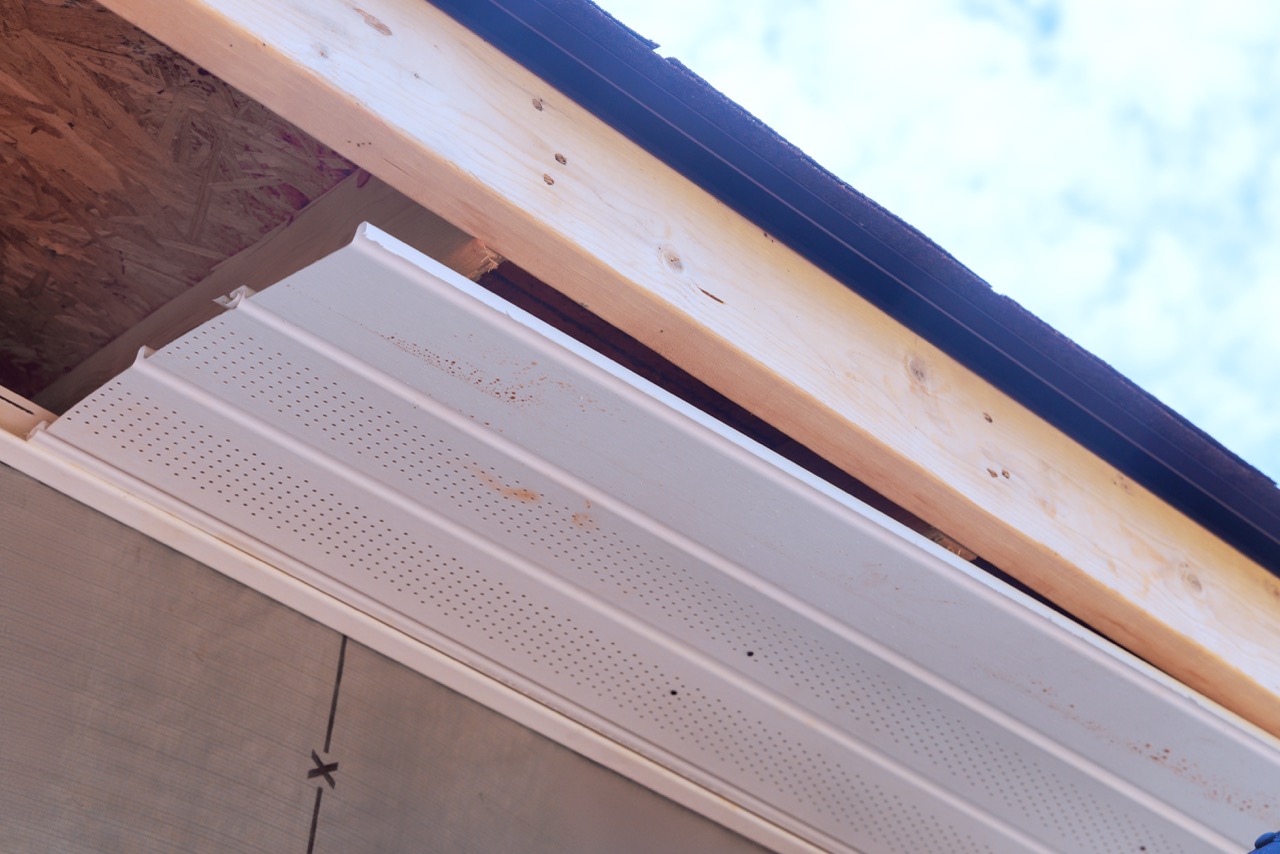
Ventilation: the attic needs a continuous airflow path from the soffit intake at the eaves up to a ridge or gable exhaust at the peak. That airflow keeps the underside of the roof deck close to the outdoor temperature, so snow on top doesn't melt unevenly. The most common problem we find: soffit vents that look fine from outside but are blocked by insulation pushed against them inside. The fix is rigid baffles that hold the insulation back and keep the air channel open. Air sealing: every recessed light, plumbing penetration, top plate, and attic hatch that isn't sealed is leaking warm, moist house air directly into the attic. We seal these with appropriate-rated foam and gaskets so the heat stops leaking up.
Insulation: once the air leaks are sealed and the ventilation path is open, the insulation can actually do its job. Most NJ attics built before 2010 have R-30 or less of compressed batt insulation; current code wants R-49. The cost-effective fix is usually adding loose-fill cellulose or fiberglass on top of what's already there, sized to bring the assembly up to spec. If during the diagnosis we find the roof itself is end-of-life or past 20 years on its ice & water shield membrane, our roof replacement page covers when a full reroof is the honest answer rather than a series of repairs.
No warranty on the steam removal itself — that's emergency work. Real warranty on the fix that comes after.
Steam ice dam removal is emergency stabilization work, not a permanent repair. We don't put a warranty on the fact that your roof won't get an ice dam again next winter, because the root cause is the attic, not what we did with the wand. What we do warranty is the corrective work afterward: ventilation, air sealing, and insulation upgrades all carry a written one-year minimum workmanship warranty. If the work we did doesn't perform — soffit baffles installed wrong, ridge vent installed wrong, air seal failure — we come back, we fix it, no charge.
If the corrective work is done as part of a full roof replacement, the ice & water shield extends three feet up from the eave (NJ code minimum) or further on lower-pitch roofs, and the entire assembly is covered under the manufacturer's full system warranty plus our workmanship coverage. If you're calling because of a recurring problem and just want a clear honest read on what's happening up there, the cheapest first step is a routine roof inspection with attic walk and thermal scan — diagnosis before anything else.
The crew that steams the ice off today and fixes the warm attic so February doesn't repeat itself.
Most companies do one or the other. The "ice dam guy" steams it off and disappears. The "insulation guy" sells you R-value but won't get on a snowy roof in February. We do both — because it's the same problem, and a one-sided fix is no fix at all.
- NJ-licensed, NJ-insured, family-owned, permanent Fairview address
- BBB A+ Accredited, GAF and Owens Corning manufacturer-certified
- Low-pressure professional steam — never hatchets, salt, or pressure-wash
- Thermal camera attic diagnosis to find the real source
- Ventilation, air sealing, and insulation work all done in-house
- One-year minimum written warranty on the corrective work
Six steps from emergency call to corrective work in your file.
Steam removal stabilizes the situation. Diagnosis and corrective work fix it for good.
Emergency Call
Active ice dam, active leak — call. We prioritize live water-in-the-house calls and dispatch the steam crew same week in winter.
Steam Removal
Low-pressure professional steam clears the ice off the eave without damaging shingles or gutters. Typical clear: 60–90 minutes per section.
Interior Damage Triage
If water is already in the ceiling, we coordinate with you on damage triage and document everything in case you're filing an insurance claim.
Attic Diagnosis
Thermal camera walk of the attic to identify the warm-spot pattern: recessed lights, top plates, missing baffles, blocked soffits.
Itemized Quote
Written quote naming each corrective item — air seal, baffles, ridge vent, insulation top-up — with parts, labor, and warranty terms.
Corrective Work & Warranty
Same-crew corrective work, full cleanup, photos in your file, and a written one-year minimum warranty on the fix.
The credentials behind every steam clear and every attic fix.
NJ-Licensed, NJ-Insured, Fairview-Based
Family-owned with a permanent NJ address. The crew that steams the dam off in February is the crew you can call again in March for the corrective work.
BBB A+, GAF & Owens Corning Certified
BBB A+ Accredited and certified by both major shingle systems — the credentials that say we understand attic-to-roof systems, not just sales.
No Hatchets, No Salt, No Pressure-Wash
Low-pressure professional steam is the only safe way to clear ice off a residential roof. We do that one. Not the ones that wreck shingles.
Services often booked alongside ice dam removal.
Roof Ventilation
The single most effective fix for recurring ice dams. Soffit-to-ridge airflow keeps the deck cold and stops the melt-and-refreeze cycle.
Learn MoreSeamless Gutters
Old gutters bent and corroded by previous ice dams often need replacement. Seamless aluminum installs without joints to fail at.
Learn MoreGutter Guards
Gutter guards reduce ice dam severity by keeping the gutter trough clear of leaf debris that traps freezing meltwater.
Learn MoreAcross Bergen, Morris, Sussex, Hunterdon, and the inland-NJ winter belt — where ice dams hit hardest.
Three steps from active ice dam to corrective work in your file.
Call now if there's water in the ceiling. Steam clears the ice today. Diagnosis and fix stop next year before it starts.
Steam Removal Today
Low-pressure professional steam clears the dam off the eave without damaging shingles. Same-week dispatch in winter.
Source Diagnosis
Thermal-camera attic walk to identify the warm-spot pattern. Air leaks, missing baffles, blocked soffits — written up plain.
Corrective Work & Warranty
Same-crew ventilation, air-seal, and insulation work. Full cleanup, photos in your file, written one-year minimum warranty.