Cedar Shake Roofing — Beautiful, And Honest About It
Cedar is the most beautiful roof you can put on a house — and the most expensive one to get wrong. We install it on the right homes, talk people out of it on the wrong ones, and tell you upfront what the maintenance schedule actually looks like.
Fairview, NJ
A Real Wood Roof, Done Properly Or Not At All
Cedar shake is one of the few roofing materials that actually looks better as it ages. A properly installed Western Red cedar roof on the right house will outlast most asphalt systems, develop a silver-gray patina that matches NJ stone and clapboard architecture, and add real value when you sell. The catch is "properly installed" and "the right house" — both of those are real conditions, not marketing.
We install hand-split shakes and sawn shingles on Cape Cods, Tudor-style homes, restoration projects, and the occasional new build that's been designed for it. If you're not sure cedar is right for your house, we'll walk it with you and tell you the truth before anyone signs anything.
Get a Free Estimate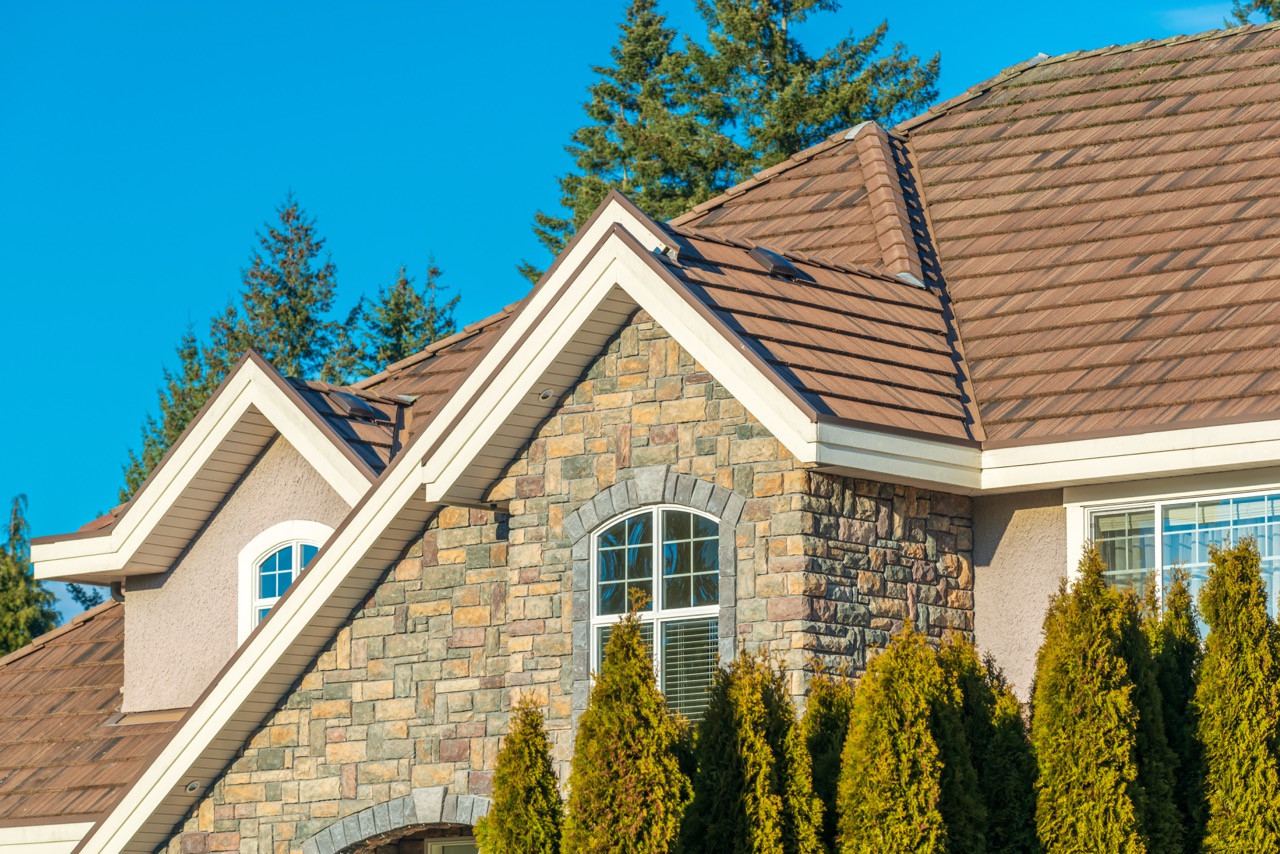
Four Things Cedar Salespeople Don't Lead With
Cedar shake is a beautiful roof and a serious commitment. Here's the honest version — what it actually is, when it's right, what maintenance looks like, and how the warranty works.
Shake Versus Shingle, Grade Versus Grade
"Cedar shake" gets used loosely. Technically a shake is hand-split — thicker, more textured, that rough hewn look. A shingle is sawn taper — thinner, smoother face, more uniform. We install both. Shakes go on architectural and Tudor-style homes where the texture is part of the design. Sawn shingles go on tighter applications and historic restorations where uniformity matters.
Grade matters more than the shake-vs-shingle decision. Number 1 Blue Label is 100% heartwood, 100% edge grain, 100% clear — it's the only grade that earns the manufacturer warranties advertised in glossy brochures. Number 2 Red Label and Number 3 Black Label are real grades with real uses, but not on a primary roof. We install Blue Label only.
Three Scenarios Where Cedar Wins — And When It Doesn't
Cedar is the right call in three real scenarios. First: architectural match. Tudor revivals, English cottages, certain Cape Cods, shingle-style Victorians, and stone-clad colonials were drawn for cedar — asphalt on those houses always reads as a downgrade. Second: restoration. If the house had cedar originally and you're keeping it period-correct, the conversation isn't about cost-per-square-foot, it's about preserving the property. Third: long-horizon ownership. If you're staying 25+ years and willing to maintain it, the lifetime cost compares with premium asphalt and the aesthetic is in a different league. Cedar is the wrong call when the architecture is wrong (1990s colonial, ranch, split-level — asphalt or metal serves better), when you're not staying long enough to amortize the premium, or when nobody in the household is committed to a treatment schedule. We've talked at least a dozen homeowners off cedar in the past two years. None of them regret it.
Year Three, Year Seven, Year Fifteen — What Each One Costs
Untreated cedar in the NJ climate goes through a real arc. Years 1-2: golden brown, no work needed. Year 3-4: first treatment — clean, fungicide, oil. That's where most homeowners get surprised, because nobody told them at the install. Years 5-7: second treatment, plus a walk to spot any individual shakes that need swapping. Years 8-15: every 3-5 years, treatment plus targeted shake replacement in valleys and around penetrations where wear concentrates. Years 16+: you're in maintenance-or-replace territory and the answer depends on the original install quality.
We hand you a written schedule with year-by-year line items the day we finish. We also run the maintenance ourselves if you want — yearly inspection and treatment on the same calendar week, same crew, photo report each visit.
How Long It Lasts, And Who Warranties What
A properly installed Number 1 Blue Label cedar roof, kept on schedule, lasts 30 to 50 years in the NJ climate. Neglect it and you'll see the back end of that range — granted, even neglected cedar usually outperforms asphalt on lifespan, but neglected cedar also looks rough by year 12 and that's the real cost. The manufacturer warranty on Blue Label material runs 25 to 30 years against splitting, warping, and premature decay — registered in your name on the day we finish. Our installation warranty is a minimum of 1 year, written and signed, covering everything we did with our hands — fastener work, flashing details, ventilation, valley work. The two stack: a defective shake is on the manufacturer, a leak around our chimney flashing is on us. If you sell the house, the workmanship warranty transfers to the buyer. If you're weighing cedar against slate, the lifespan and maintenance math are different — happy to walk you through both.
Not Every Roofer Should Be Touching Cedar
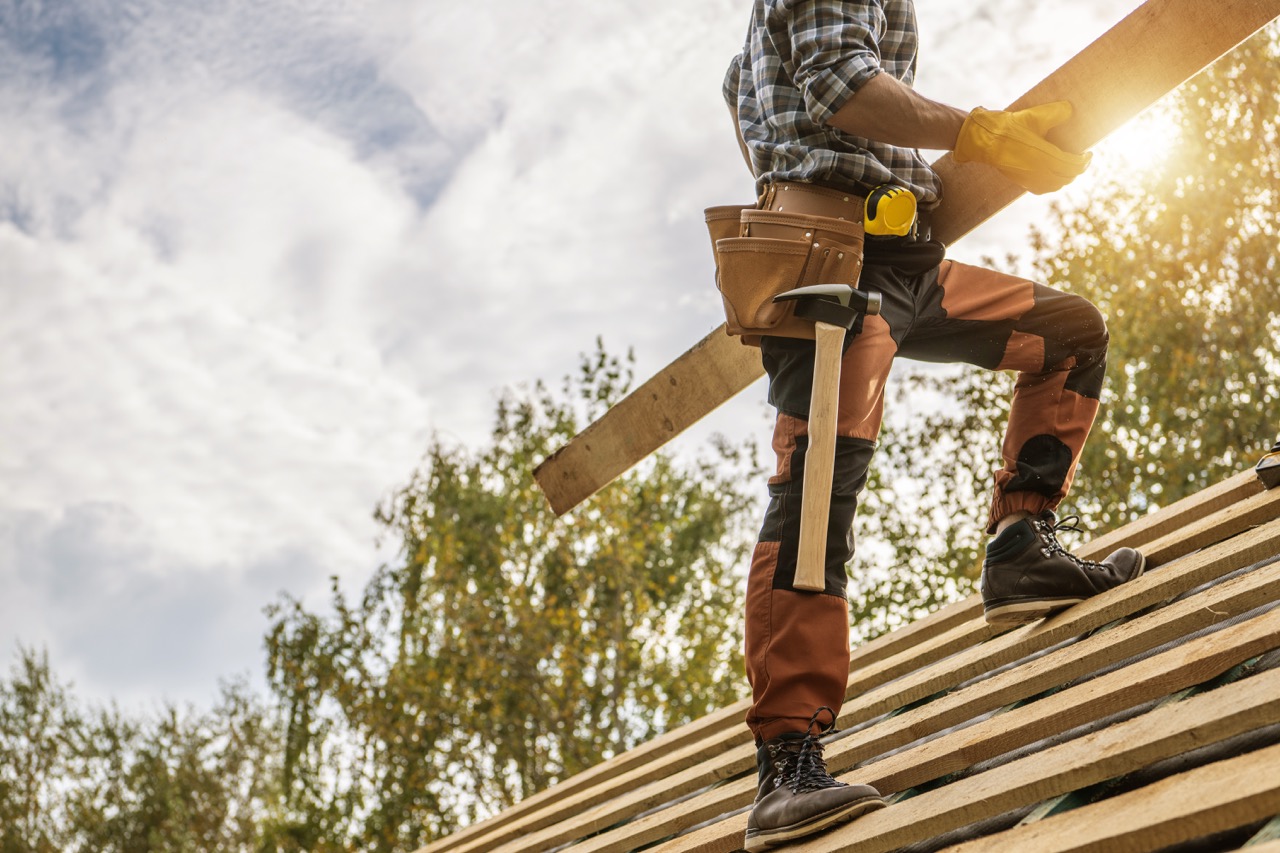
Cedar punishes shortcuts. Wrong fasteners corrode, wrong spacing splits, wrong underlayment traps moisture. Five things on every cedar job we take.
- Number 1 Blue Label Western Red cedar — no Number 2 or 3 substitutions, ever
- Stainless steel or hot-dip galvanized fasteners — galvanized-only fails in 7-10 years on cedar
- Breathable underlayment — cedar needs to dry from both sides; synthetic membranes trap moisture
- Proper exposure (5" for 18" shakes, 7.5" for 24") — over-exposed cedar leaks within 5 years
- Class A fire treatment available when local code or your insurance carrier requires it
Six Steps From Estimate To Maintenance Hand-Off
What an actual cedar shake project looks like, end to end.
The Honesty Call
We talk through whether cedar is right for your house before we ever drive out — saves you a wasted hour.
On-Site Walkthrough
One-hour window. We assess decking, ventilation, geometry, and confirm cedar is genuinely the right move.
Itemized Quote, Same Day
Material grade specified, fastener type specified, exposure spec'd, fire treatment line-itemized. Nothing hidden.
Tear-Off & Deck Prep
Old roof removed, decking inspected, breathable underlayment installed. Anything compromised gets replaced.
Cedar Install
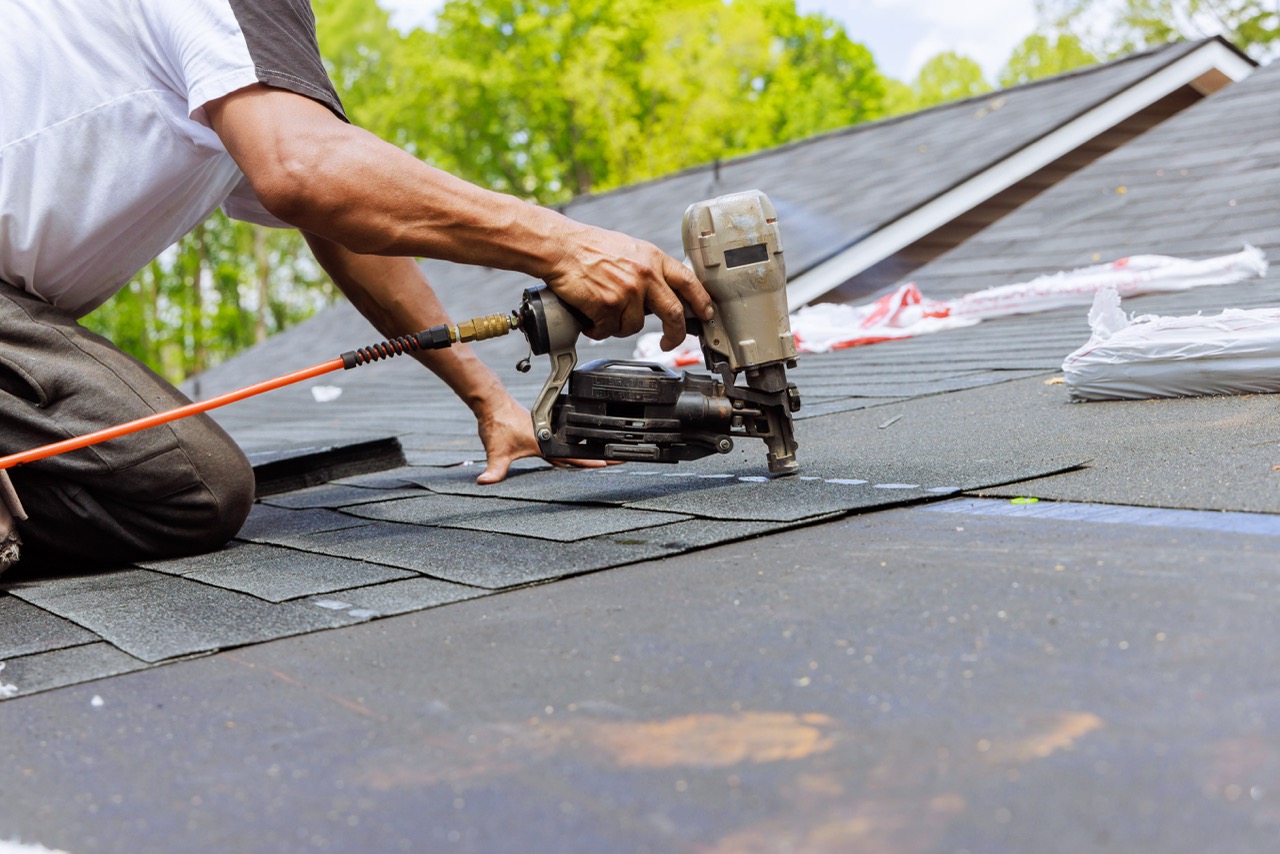
Hand-installed, correct exposure, stainless fasteners, copper or stainless flashing at every penetration.
Maintenance Schedule
Written year-by-year schedule handed over with the warranty. We can run the maintenance ourselves if you want.
Six Things You Can Verify Before Signing
Family-Owned, NJ-Local
Headquartered in Fairview, NJ. Same owners on the phone, same crew on your roof — premium work doesn't survive franchise turnover.
Licensed & Insured
NJ roofing license current, certificate of insurance sent before any work begins. Both on file with us at all times.
Number 1 Blue Label Only
We don't substitute Number 2 or Number 3 grade material to hit a price point. The grade is on the spec sheet you sign.
Honest "Don't Buy Cedar" Calls
If your architecture, timeline, or maintenance commitment doesn't match cedar, we'll tell you and quote a better alternative.
Full Jobsite Cleanup
Cedar tear-offs are messy. Magnetic sweep around the entire perimeter at end of every workday. We don't leave nails in your grass.
Written, Signed Warranty
Manufacturer warranty registered in your name. Workmanship warranty written, signed, and transferable on sale of the house.
If Cedar Isn't Quite The Right Fit
Slate Roofing
The other premium natural material — different aesthetic, different maintenance, different lifespan math.
Learn MoreGAF Timberline Roofing
Architectural asphalt shingle that mimics shake texture at a fraction of the cost — the right answer for many homes.
Learn MoreRoof Maintenance
If you already own cedar, our annual maintenance program keeps the warranty registered and the wood healthy.
Learn MoreWhere We Take Cedar Calls
Get An Honest Read On Whether Cedar Is Right
Cedar is a decade-defining decision for your house. Let's start with the conversation about whether it's the right call before we get into the quote.
The Phone Conversation
Tell us about the house — age, architecture, how long you're planning to stay. We'll tell you if cedar makes sense.
The On-Site Walk
One-hour window. We check decking, ventilation, geometry, and confirm cedar is genuinely the right move.
The Written Quote
Material grade, fastener type, fire treatment, lifetime maintenance schedule — all line-itemized, all in writing.